
Corporate sponsorship is often the lifeblood of nonprofit programming. Whether your organization is hosting a high-profile gala, launching a community initiative, or scaling its digital outreach, knowing how to communicate with corporate sponsors effectively can provide the capital and visibility needed to turn your vision into reality.
In this guide, we’ll explore the lifecycle of corporate sponsor communication: from the first pitch to the long-term stewardship that keeps partners coming back. And we’ll break it down for you step by step:
- Initiating Prospective Sponsor Outreach
- Managing Sponsorship Logistics
- Communicating Gratitude to Corporate Sponsors
- Reporting on Tangible Sponsorship Impact
- Staying in Touch With Sponsors Long-Term
The shift from “donor” to “partner” starts with the very first touchpoint. When a company decides to sponsor your nonprofit, it is investing in your mission to achieve a specific outcome (whether that’s improving workplace culture, enhancing brand reputation, driving awareness, or any combination. To manage this investment properly, your communication must be professional, organized, and, above all, human.
Let’s dive in!
How To Communicate With Corporate Sponsors: Initiating Prospective Sponsor Outreach
Before you can thank a sponsor, you have to win one. The “how” of your initial communication sets the tone for the entire relationship. If your outreach is disorganized or generic, a company may assume your program will be the same.
Submitting an online application
Many large corporations (such as Amazon, Bank of America, Cisco Systems, and more) have formal CSR portals through which nonprofits can apply for corporate sponsorships directly. While these can feel clinical, your communication here must be precise.
We recommend that you:
- Align with Their Pillars: If a company’s CSR focus is “Sustainability,” don’t lead with your “Arts and Culture” statistics. Frame your mission through their lens.
- Be Concise: Reviewers often scan hundreds of applications. Use bullet points to highlight “Who,” “What,” and “Why.”
- Follow Directions: It sounds simple, but many nonprofits lose funding because they fail to attach a specific tax document or exceed word limits. Treat the application as a test of your organization’s attention to detail.
Sending an email pitch
For local businesses or mid-sized firms, a direct email to the Marketing Director or CEO is often the most effective route. The goal of this email isn’t to get a check immediately; it’s to get a meeting.
- The Subject Line is Everything: Avoid “Sponsorship Opportunity.” Try something like “Partnering with [Nonprofit] for [Local Community Goal].”
- The “WIIFM” Rule: Always answer the sponsor’s internal question: What’s in it for me? Mention the number of impressions, your audience demographics, and the specific brand alignment.
- Personalize or Perish: Mention a recent achievement of the company. “I saw that [Company] recently reached its goal of 100% renewable energy. This aligns perfectly with our upcoming ‘Green City’ initiative!”
Making a phone call
In an age of digital noise, a phone call can be a powerful differentiator. However, “cold calling” is rarely effective. Instead, use the phone for “warm calling.”
- The Discovery Call: If you have a mutual connection, call to ask for advice or “discovery” rather than money. “We are planning our fall gala, and I’d love to get your perspective on what local businesses look for in a partnership.”
- The Follow-Up: If you haven’t heard back from an email pitch after five business days, a polite follow-up call is appropriate. Keep it brief: “I’m just calling to ensure my proposal reached the right desk and to see if you had any preliminary questions.”
Managing Sponsorship Logistics
Once a sponsor says “yes,” the communication doesn’t stop; it intensifies. This is known as the implementation phase, and it’s where many nonprofits drop the ball.
Successful logistics management proves to the sponsor that you are a professional steward of their funds.
Establishing a point of contact
Nothing frustrates a corporate partner more than being bounced around between different departments, and it will be difficult to pull off a successful partnership if your team doesn’t know who to contact, either. Therefore, you’ll want to establish a few key POCs.
- Your Lead Liaison: Designate one person (usually a Development Officer or Marketing Manager) as the primary point of contact. This person should be the one to send all updates and answer all questions.
- The Sponsor’s Liaison: Ask the company who their point of contact is for logo approvals and guest lists. Having a direct line to a specific person in their marketing department saves hours of “to whom it may concern” emails.
Exchanging brand kits
Professionalism is reflected in the brand’s visual representation. When you communicate with corporate sponsors regarding their logo and branding, be specific.
- Request Vector Files: Ask for .EPS or .AI files to ensure their logo doesn’t look pixelated on a 10-foot banner.
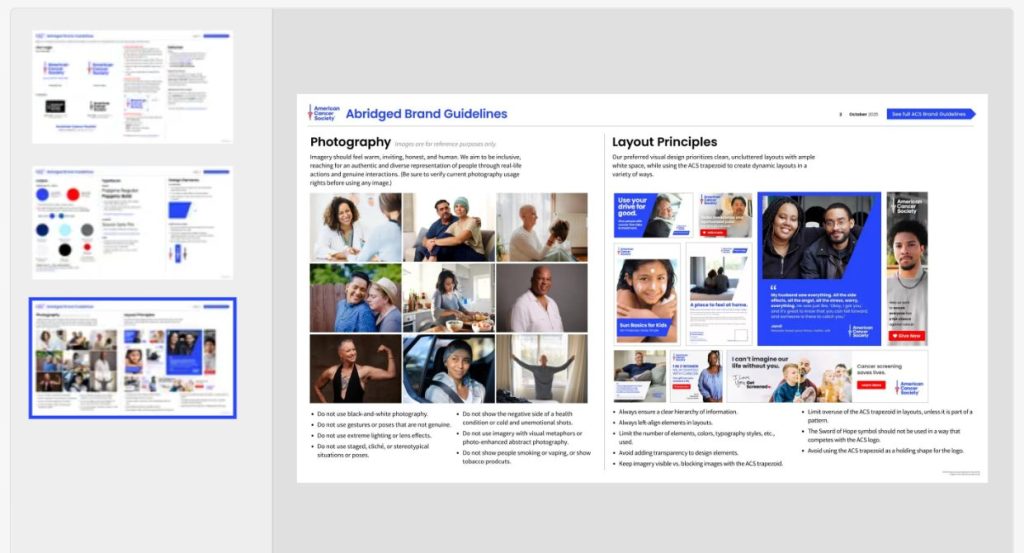
- Respect Their Guidelines: Many corporations have strict brand standards. They may require a certain amount of white space around their logo or forbid it from being placed on certain background colors. Respecting these rules builds immense trust with their marketing team.
Here’s an example from the American Cancer Society:
Agreeing on an asset delivery timeline
A sponsorship package usually involves a trade of assets. They give money; you give exposure. To keep communication smooth, create a shared timeline or “Sponsorship Fulfillment Tracker.”
- Determine Deadlines: When do you need their high-resolution logo for the banner printing? When do they need to provide the names of their table guests?
- Over-Communicate: Send a “Month-Out” and “Week-Out” checklist. Sponsors are busy running their own businesses; they will appreciate you keeping them on schedule.
Communicating Gratitude to Corporate Sponsors
This is arguably the most critical stage of the corporate sponsor relationship. Most nonprofits send a standard “thank-you” letter for tax purposes and call it a day. To stand out, your gratitude needs to be creative, timely, and digital-forward.
Let’s walk through a few ideas for doing so!
Facilitating public shoutouts
Public recognition is a key contributor to “ROI” for many sponsors. They want their customers and employees to see that they are doing good in the world. For this reason, make sure to incorporate public-facing shoutouts in your sponsor engagement strategy.
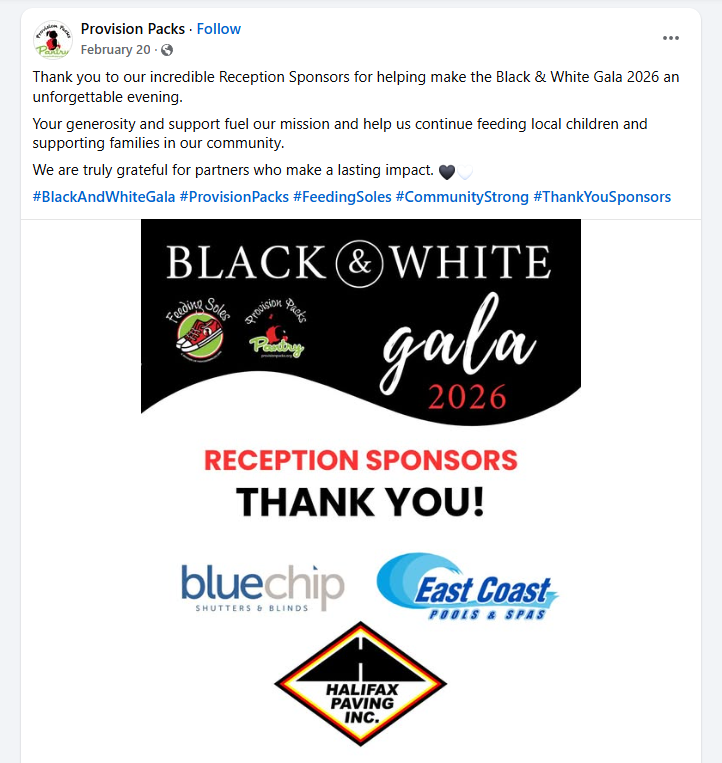
- Social Media Tags: Don’t just post a list of logos. Create a dedicated post for your lead sponsors. “We are so proud to partner with [Company] to provide 500 meals this weekend!”
- Press Releases: If the sponsorship is significant, include a quote from the sponsor’s CEO in your local press release. This gives them a “media win” they can share with their stakeholders.
Creating a digital postcard
In the digital age, traditional mail is often slow and can get lost in a corporate mailroom. However, a plain-text email can come across as impersonal. This is where tools like eCardWidget’s digital greeting cards become a game-changer for sponsorship stewardship.

We recommend using an ecard platform that allows you to:
- Personalize at Scale: Send a beautifully branded digital postcard to the entire executive team of a sponsoring company in seconds.
- Integrate Multimedia: Include a 30-second video clip of your program in action. The sponsor sees the smiling faces of the people they helped and feels the impact immediately.
- Customize Your Branding: Design cards to match your nonprofit’s branding or incorporate the sponsor’s logo to visually represent the partnership.
- Supply Instant Gratification: Send an ecard the moment an event ends, ensuring your gratitude is top of mind while the excitement is still high.
Delivering physical swag
While digital communication is efficient, a physical token of appreciation still holds weight. Check out these ideas!
- The “Impact” Gift: Instead of a generic trophy, give something related to your mission, such as a potted native plant or a high-quality reusable bag with both organizations’ logos.
- Handwritten Notes: A note from the Board President or a program beneficiary remains one of the most powerful communication tools in a fundraiser’s arsenal.
Reporting on Tangible Sponsorship Impact
For a business, a sponsorship is an investment. As with any investment, they need to see a measurable Return on Investment (ROI). If you cannot clearly communicate impact, you’re unlikely to secure a renewal next year.
Providing a post-event recap
Within 30 days of an event or program conclusion, send a “Sponsorship Impact Report.” This should be a polished PDF summarizing the partnership’s success.
- Key Metrics: Total funds raised, attendees, and how the sponsor’s specific contribution was utilized.
- Visuals: High-quality photos of their logo in action on-site or in digital displays.
Sharing social media analytics
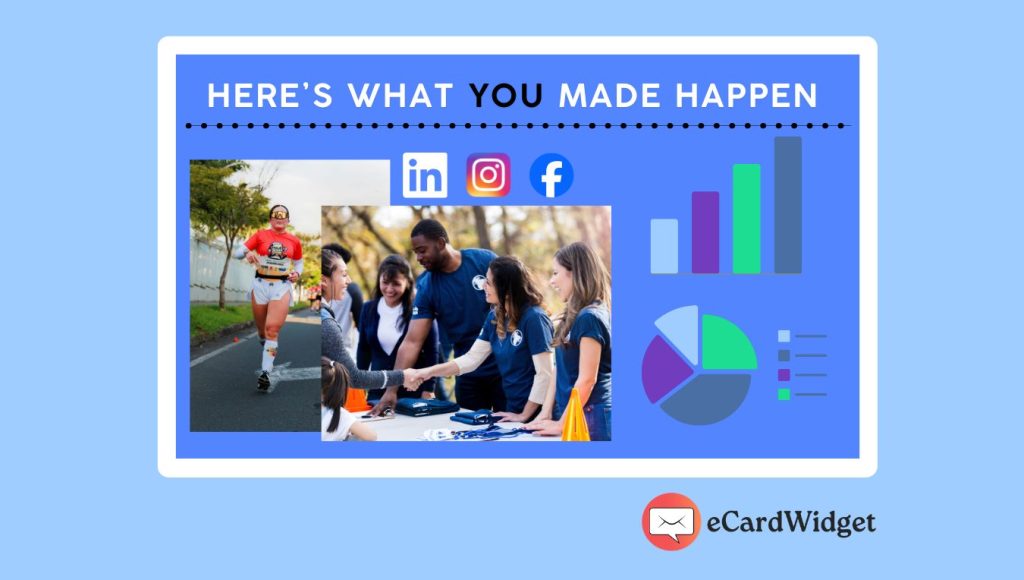
Marketing departments live and breathe data. If part of your sponsorship agreement was “social media exposure,” you must provide the numbers to back it up.
- Reach and Impressions: How many people saw the posts featuring the sponsor?
- Engagement: How many people liked, commented, or shared?
- Click-Throughs: How many people clicked through to the sponsor’s website?
Organizing constituent testimonials
Data tells the story, but stories sell the mission. A spreadsheet showing “500 kids tutored” is good; a quote from one of those kids saying, “Because of this program, I’m the first in my family to go to college,” is unforgettable.
- Video Testimonials: Capture short “thank you” messages from staff or beneficiaries on your phone.
- The “Hero” Story: Share one individual story that represents the success of the program exclusively with your sponsors.
Staying in Touch With Sponsors Long-Term
Many nonprofits fall into the trap of viewing sponsor relationships as purely transactional. They treat a sponsor like an ATM: insert a request, withdraw funds, and walk away until the next year. This approach is not only short-sighted; it’s risky. In an era where Corporate Social Responsibility is a primary driver for brand loyalty, companies are looking for true partners, not just tax write-offs.
To master how to communicate with corporate sponsors, you must maintain a year-round presence within their inboxes.
Promoting upcoming events
Even if a company hasn’t committed to your next event yet, it’s a good idea to keep them in the loop.
- Complimentary Invites: Send “VIP” invites to their leadership for smaller mixers or volunteer days to keep your organization top of mind.
- Newsletter Inclusion: Add sponsor contacts to a dedicated “Partners” email segment to share high-level organizational wins.
Following up with mission-related updates
Did your nonprofit just win an award? Did a piece of legislation pass that you advocated for? Share these wins with your sponsors.
- The “Because of You” Update: Frame every organizational win as a win for the sponsor. “Because of the foundation you helped us build, we expanded to a third county!”
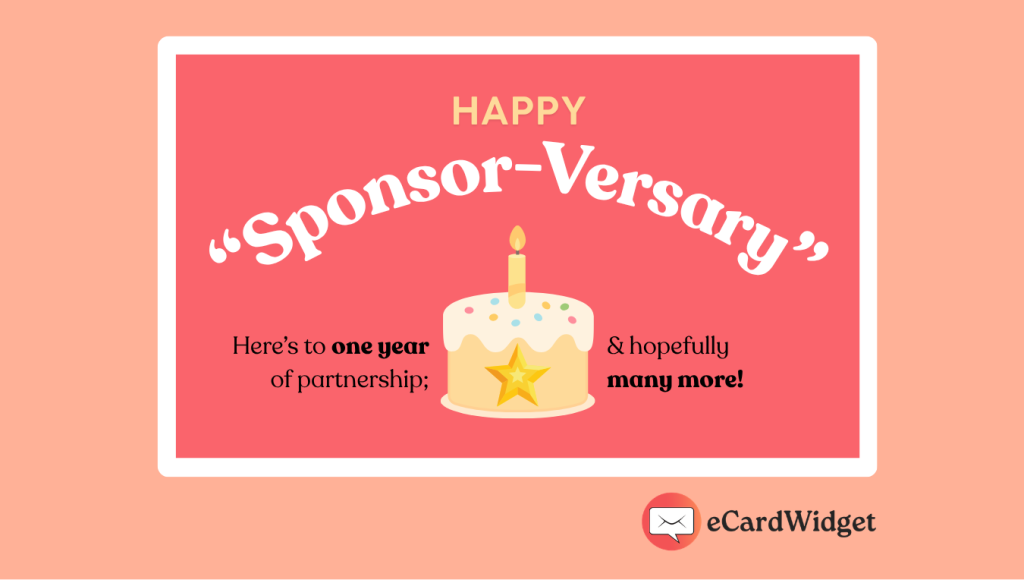
- Use Ecards for Milestones: Send a digital “Happy Anniversary” card marking the date they first became a sponsor. These small, non-financial touchpoints build the emotional bridge.
Offering “early bird renewal” opportunities
Relationship management is also about making the sponsor’s life easier. Here are a few ideas to get them involved again the next year!
- The Right of First Refusal: Offer last year’s sponsors the first chance to reclaim their spot before opening it to the public.
- Multi-Year Incentives: Suggest a multi-year partnership at a slightly discounted rate to show you are thinking about the future.
Final Thoughts
Learning how to communicate with corporate sponsors is a transformational journey from “asking” to “partnering.” It requires a blend of professional logistics, data-driven reporting, and genuine, creative gratitude.
When you treat a sponsor as a vital part of your nonprofit’s team, they turn into powerful advocates for your mission. By using tools like personalized digital cards, maintaining a rigorous reporting schedule, and staying in touch throughout the year, you create a relationship that is resilient and mutually beneficial.
Remember: A company might give the first time because of your mission, but they will give the tenth time because of the relationship. Start building that relationship today with a simple, thoughtful “thank you.”
Ready to elevate your sponsor stewardship?
Check out eCardWidget to start sending high-impact digital cards that show your corporate partners exactly how much they mean to your mission.